Before the Envelope Lands: A Device-by-Device TV Licence Audit for UK Streaming Homes
Photo: Convivial, CC BY 2.0, via Wikimedia Commons
There's a particular kind of post that lands on a British doormat and instantly ruins a Saturday morning. No stamp, no logo you recognise at a glance, addressed to The Legal Occupier. It is not a bill. It is not a fine. It's a question, and most of us answer it by shoving it behind the biscuit tin and hoping the subject never comes up again.
Which is a shame, because the answer takes about five minutes. What follows is an audit — not a lecture, not a legal opinion — for anyone trying to work out whether their streaming-heavy household in 2026 needs a TV Licence, and how to keep a straight record either way.
What the licence actually covers
Strip away the paperwork and it comes down to two things.
One: watching or recording live television as it's broadcast. Any channel, any platform, any device. That includes the live channels tucked inside the ITVX and Channel 4 apps, the live feeds on My5, and anything else running to a real clock rather than a play button.
Two: BBC iPlayer. All of it. Live, on demand, on a telly, on a phone in the bath. iPlayer is licensed separately from the rest of the on-demand world, and there's no partial version of it.
Everything else you stream on demand — Netflix, Prime Video, Disney+, YouTube's back catalogue, a rented film, an old episode of something on ITVX — sits outside the licence requirement. That's the whole rule. The confusion comes entirely from the fact that the same app can contain both licensed and unlicensed things.
The three questions that settle it
Before you touch a single device, answer these honestly:
- Does anyone here watch live TV as it goes out — including the live tab inside a catch-up app?
- Does anyone here open BBC iPlayer at all, for any reason?
- If the answer to either is yes, is that happening on a device in this house?
Two noes and you're done. One yes and you need a licence, regardless of whether an aerial is involved, regardless of whether you pay a subscription to anybody, and regardless of how rarely it happens. A single iPlayer login is enough.
The device-by-device sweep
Walk the house. It takes less time than making a brew.
- The main telly, aerial plugged in. Live Freeview and Freesat channels — licence needed. This is the original case the whole system was built around.
- The main telly, no aerial, apps only. Now it depends on the apps. iPlayer present — yes. Live tab inside ITVX or Channel 4 — yes. Netflix, Prime, Disney+ only — no.
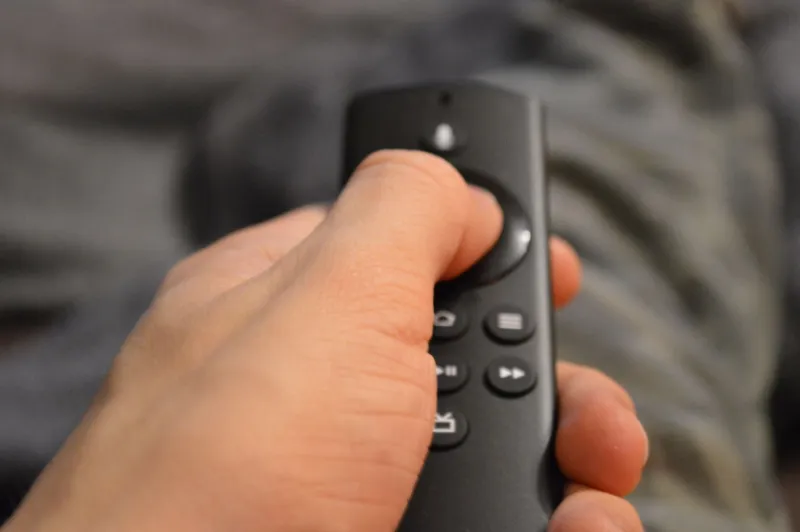
- A streaming stick or box. The hardware isn't the trigger; the content is. A Fire Stick, an Android box, an Apple TV, a Roku — all neutral. What matters is what's installed and what's watched through it.
- A games console. BBC iPlayer installed and used — yes. Console used for games and Netflix — no.
- Phones, tablets, laptops. Same rules at home. There's a well-worn exception for a device running purely on its own battery while you're away from home, which is why students and hotel guests ask about it every autumn — check the current wording on the TV Licensing site rather than trusting a forum post from 2019.
- The spare telly in the bedroom, the kitchen set, the projector in the loft. Each viewing event counts the same. One licence covers the address, so it's not per-screen — but it is per-household.
- A pay-TV box. Having a Sky or Virgin subscription doesn't automatically mean a licence, but the live channels those boxes deliver almost always do.
The catch-up trap
The single most common misunderstanding we hear about is the phrase "I only use catch-up, so I'm fine." Often that's true. Sometimes it isn't, and the difference is invisible unless you look.
Open ITVX and you'll find on-demand episodes, which don't need a licence, sitting one tap away from a live channel stream, which does. The same is true of Channel 4's app and My5. Plenty of viewers use these services exclusively as box sets and never touch the live tab — in which case, genuinely, no licence is required for that usage. Others flick to the live feed for the soaps out of habit and quietly cross the line without noticing.
BBC iPlayer is different. There's no on-demand loophole, no safe corner of the app. If it's in the house and it's used, the licence applies.
Shared houses, HMOs and student flats
The rule follows the household, not the building. That distinction does a lot of work.
If you and three mates are on one joint tenancy for a whole flat, you're one household. One licence covers everyone in it, same as a family.
If you're in a house of multiple occupation with individual room tenancies and a landlord who signs each door separately, you're likely to be treated as separate households. Each person who watches live TV or iPlayer may need their own licence, even though you share a kitchen and a wifi password.
Student halls sit in their own fog. Communal areas are usually covered by the institution; bedrooms usually aren't. A parent's licence at the family home doesn't stretch to a term-time address, with the battery-powered-device caveat being the narrow exception people ask about most.
If any of this describes you, don't guess — the TV Licensing site has a short address-based check, and it takes two minutes.
Keeping a record without making it weird
If your household genuinely doesn't need a licence, tell them. The no licence needed declaration exists precisely for this and takes about as long as ordering a takeaway. Do it once, save the confirmation email, and note the date in your phone.
Beyond that, a simple text file is plenty:
- The date you declared
- Which devices exist in the house and what each is used for
- Which apps are installed on the main screens
That's not paranoia. It's the same reason you keep a receipt for a boiler service — so a future conversation is short and factual rather than a memory test.
When the letter arrives anyway
Letters get generated whether or not there's anything to find, and receiving one isn't evidence that anyone suspects you of anything. If you've already declared, a quick update is all that's needed. If a doorstep visit is offered, you're under no obligation to let a stranger into your home — a polite no and a reference to your declaration is entirely sufficient.
Five minutes, one walk around the house, one honest answer about iPlayer. That's the whole job — and it beats another year of the envelope going behind the biscuit tin.